Address
Huli District, Xiamen Fujian China 361006
Work Hours
Monday to Friday: 7AM - 7PM
Weekend: 10AM - 5PM
Address
Huli District, Xiamen Fujian China 361006
Work Hours
Monday to Friday: 7AM - 7PM
Weekend: 10AM - 5PM
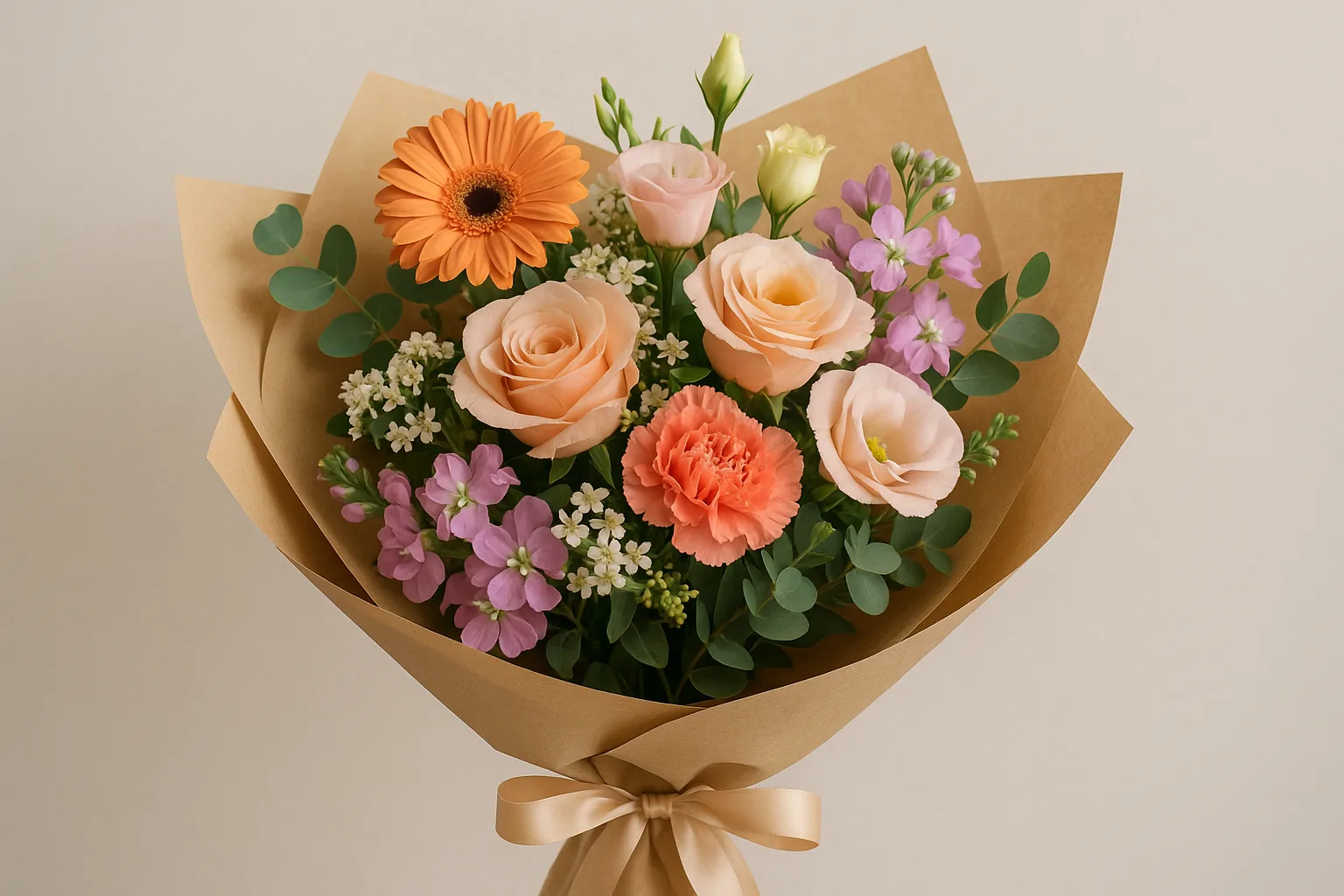
Choosing the right paper can feel overwhelming. You see a beautiful bouquet, but the wrap seems like a mystery. You want your flowers to look just as stunning.
Florists use several types of paper, including waterproof Korean paper (BOPP), classic Kraft paper, clear or frosted cellophane, and delicate tissue paper. The choice depends on the desired style, the flower type, and the need for water resistance to keep the bouquet fresh.
This decision is more than just about color. It's about texture, durability, and the story you want your bouquet to tell. I'll walk you through the most popular options, so you can pick the perfect one every time.
Have you seen those elegant, multi-layered bouquets online? They look so chic, but the paper seems different. You've tried to recreate it, but something is always missing.
Korean flower wrapping paper is popular because it's waterproof, durable, and comes in stylish matte or frosted finishes. Its sturdiness allows for creative, multi-layered folding techniques that hold their shape, giving bouquets a modern and luxurious look that regular paper can't achieve.
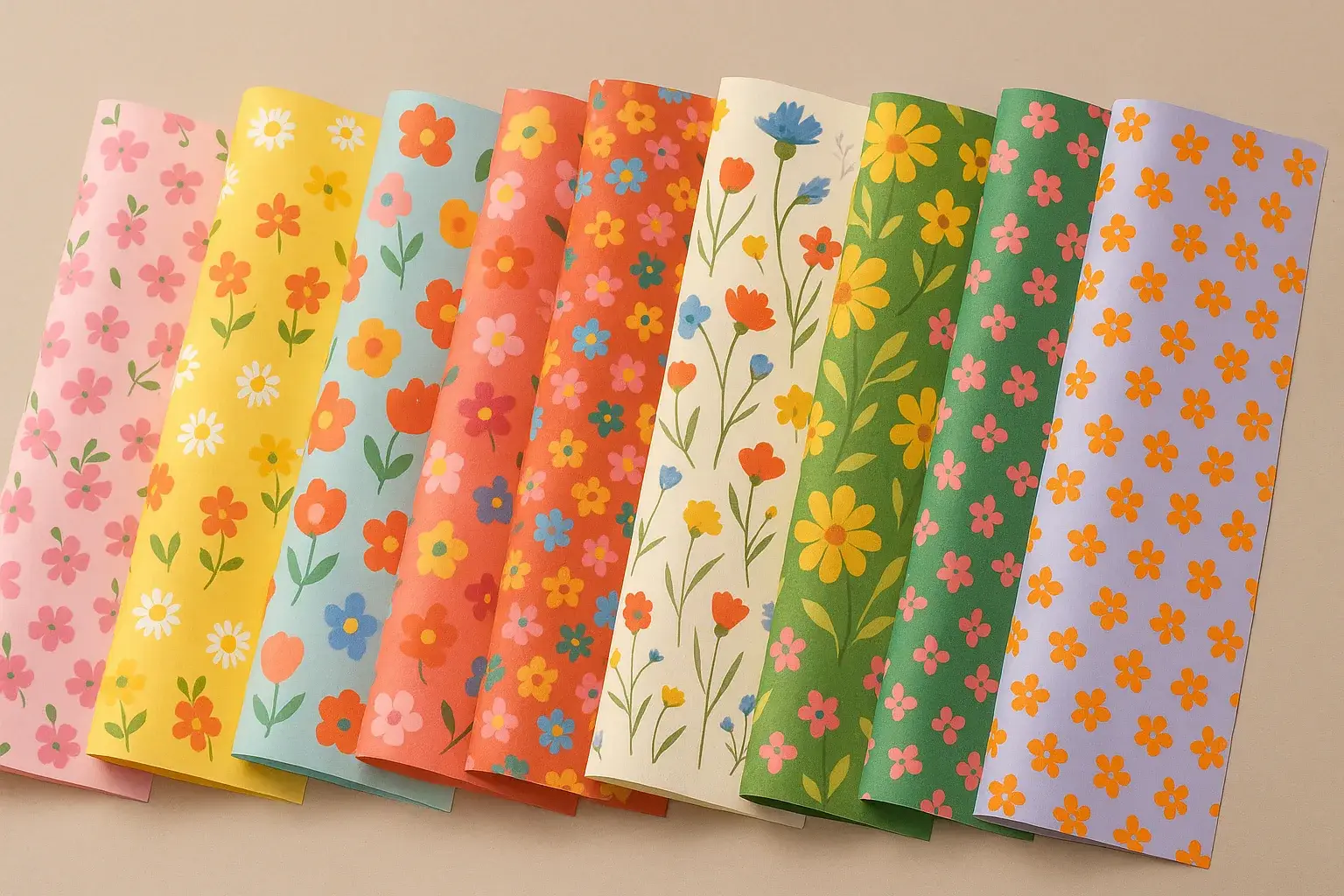
Let's dive deeper into what makes this paper so special. When I first started my business, The Floral Wrap, I noticed a huge shift in floral trends. The stiff, crinkly cellophane of the past was being replaced by something softer, more elegant, and incredibly versatile. That was my introduction to what is now globally known as Korean-style floral paper. It’s not just a trend; it's a fundamental change in how we present flowers.
The secret ingredient is a material called BOPP, which stands for Biaxially Oriented Polypropylene. That sounds very technical, but it's simple. It’s a type of plastic film that is stretched in two different directions during its production. This process is what gives the paper its amazing qualities.
Korean paper isn't just one single product. It comes in a beautiful variety of styles, which is why it's so beloved by floral artists.
| Style Name | Description | Best Used For |
|---|---|---|
| Matte Finish | A solid color paper with a smooth, non-reflective surface. Very elegant. | Sophisticated, minimalist bouquets. Great for weddings. |
| Frosted/Pearl | A semi-transparent paper that has a soft, pearlescent sheen. | Creating depth and a dreamy, ethereal look. Perfect for pastels. |
| Double-Sided | Features a different color on each side, offering contrast and versatility. | Adding a pop of surprise color when folding and ruffling. |
| Edged Paper | Usually a solid or frosted paper with a contrasting metallic or color edge. | Framing the bouquet and adding a touch of luxury and definition. |
When I’m creating a bouquet, I often mix and match these styles. I might use a solid matte sheet as the base and then add a layer of frosted paper on top to soften the look. The final touch could be a sheet of edged paper, folded just right to frame the flowers with a thin gold line. It's this ability to layer and combine textures that truly sets it apart.
You love the natural, rustic look of Kraft paper. But you worry it might be too plain or not strong enough for a beautiful bouquet. Will it just get wet and fall apart?
Kraft paper is an excellent choice for a rustic, natural, or eco-friendly aesthetic. While the standard brown Kraft is not waterproof, you can find wax-coated or poly-coated versions. Its sturdiness also makes it great for protecting flowers during transport.
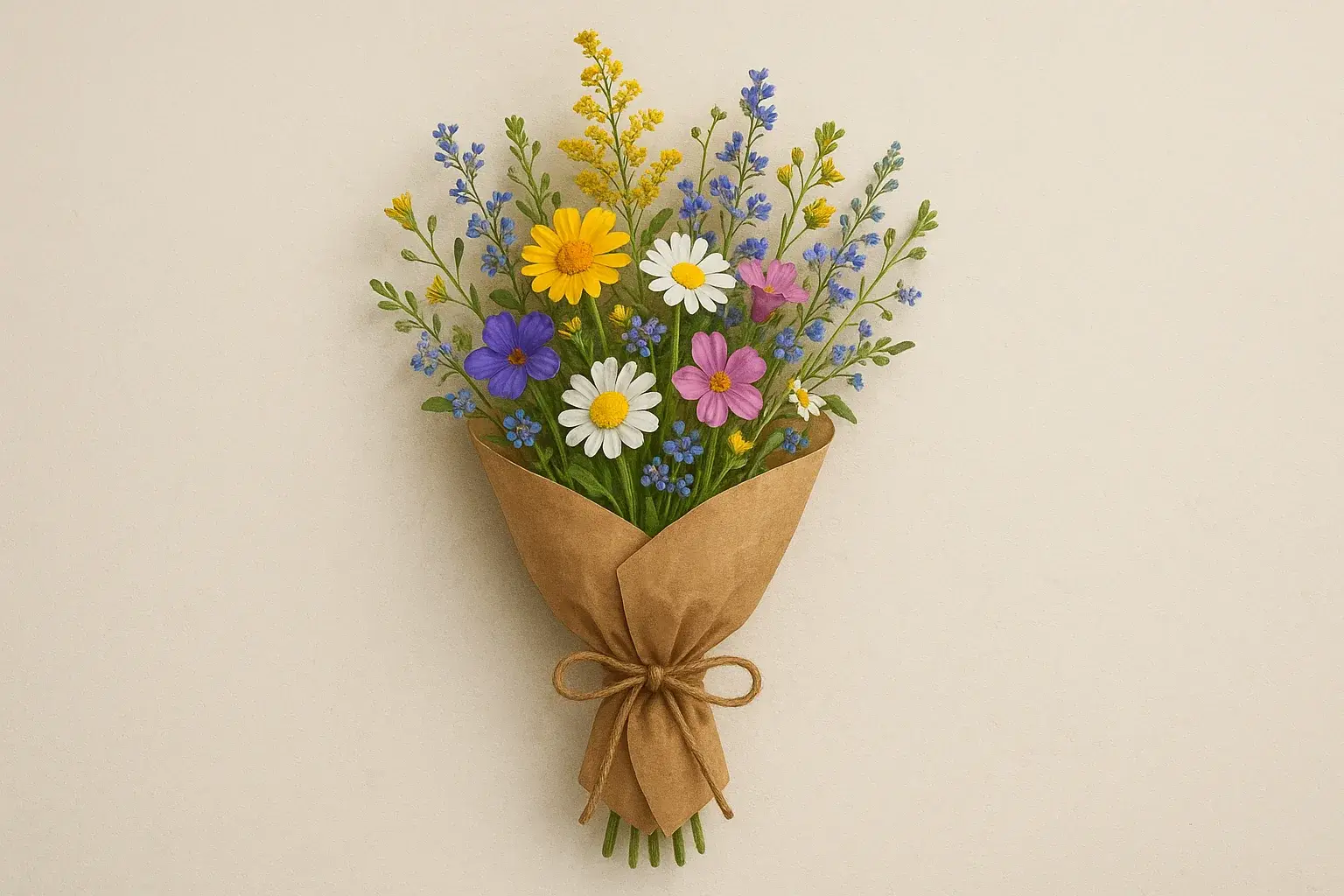
Kraft paper has a timeless charm that I've always admired. It’s honest, unpretentious, and brings a warmth that more polished papers sometimes lack. In my shop, we use it for bouquets that are meant to feel organic and hand-picked, like a bundle of wildflowers or sunflowers. But not all Kraft paper is created equal, and knowing the difference is key to a successful arrangement.
The name "Kraft" comes from the German word for "strength," and that's its primary benefit. It's a durable paper made from wood pulp. This strength is great for holding heavier bouquets and protecting delicate blooms from being bumped or crushed. However, its biggest weakness is its greatest enemy in the floral world: water.
Styling with Kraft paper is all about embracing its simplicity and texture. It's a fantastic backdrop that makes the colors of the flowers pop.
You can elevate the simple look of Kraft paper by combining it with other textures. Here are some of my favorite combinations:
Ultimately, Kraft paper is for a specific look. It’s not trying to be the star of the show like some of the glossy Korean papers. Instead, it’s a supporting actor that makes the flowers the true hero.
You remember cellophane from bouquets you received years ago. It seems a bit dated and noisy, and you wonder if it's still a good option. Is there a modern way to use it?
Yes, you should consider cellophane, especially modern frosted or patterned versions. It's fully waterproof, affordable, and lets the flowers be the main focus. While clear cellophane can look dated, frosted cellophane offers a contemporary, soft-focus effect that is very popular.
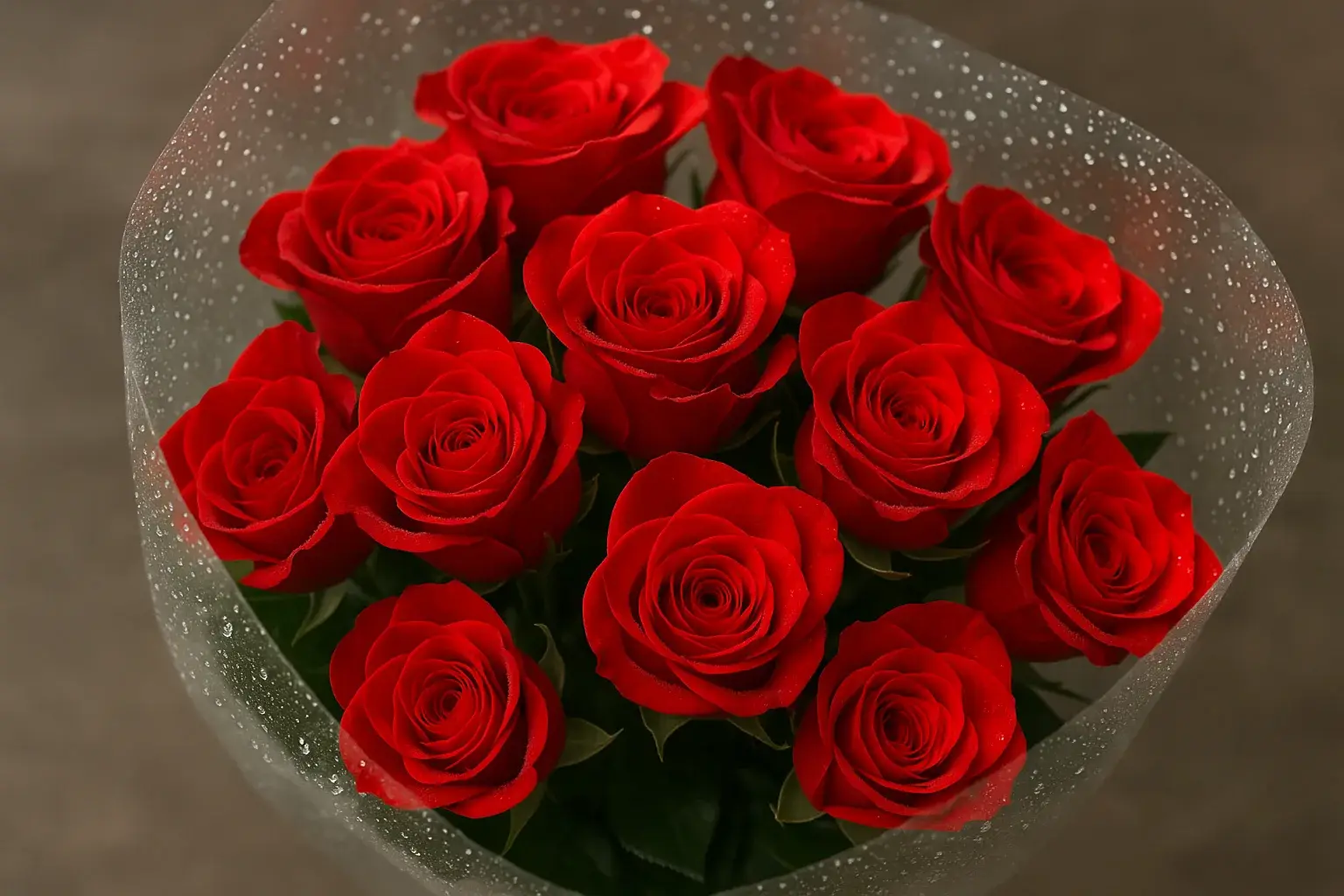
Cellophane gets a bad rap sometimes. People often think of the crinkly, cheap-feeling plastic wrap that was everywhere in the '90s. But the material has evolved significantly. As a seller of floral supplies, I can tell you that modern cellophane, or more accurately, BOPP film, is a staple for a reason. It's incredibly practical and can be very stylish when used correctly.
The key is to distinguish between the old and the new. The cellophane of the past was often thin and would crinkle loudly. Today's floral films are much more sophisticated.
Knowing when to use cellophane is just as important as knowing how to use it.
| Situation | Recommended Cellophane Type | Why It Works |
|---|---|---|
| Protecting a Non-Waterproof Wrap | Clear | Acts as an invisible waterproof liner, allowing you to use any decorative paper you want. |
| Creating a Soft, Dreamy Look | Frosted | The matte, diffused finish adds an air of elegance and mutes harsh colors. |
| Single-Stem or Small Bouquets | Clear or Frosted | Creates a simple, clean presentation without overwhelming a few delicate blooms. |
| Adding a Layer of Visual Interest | Patterned/Tinted | A subtle pattern or tint can complement the flowers and add a unique design element. |
When I use cellophane, especially the clear kind, my rule is "less is more." I avoid gathering it up high around the flowers, which can look dated. Instead, I use it cleanly, often cutting it into a square or a circle and wrapping it neatly around the base, letting the flowers breathe and be the focus. For frosted film, I feel more comfortable using larger sheets to create more volume, similar to how I use Korean paper.
You want to present your flowers beautifully, but you're also concerned about waste. The thought of using single-use plastics or non-recyclable paper is a problem. Are there better alternatives?
Yes, there are many eco-friendly flower wrapping options. Recycled Kraft paper, biodegradable films, fabric wraps like linen or burlap, and even reusable paper made from stone dust are excellent sustainable choices that don't compromise on style.
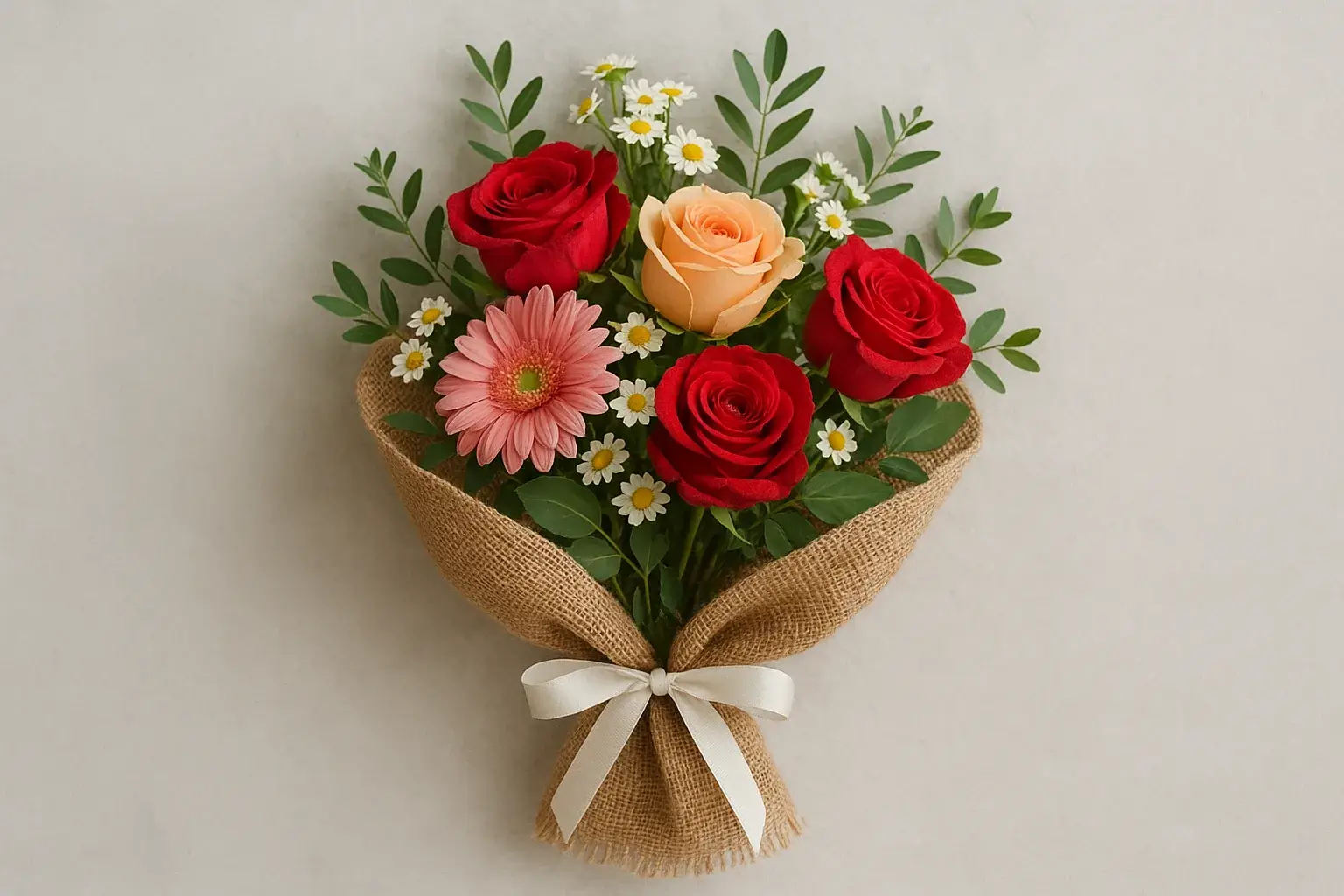
This question is so important to me, both as a business owner and as someone who loves nature. The floral industry, by its very essence, is tied to the natural world, so it only makes sense that we should be mindful of our environmental impact. Thankfully, the demand for sustainable options has led to some amazing innovations and a return to traditional, natural materials. I've made it a priority at The Floral Wrap to source and offer these alternatives.
Moving beyond traditional paper and plastic, we find a world of beautiful, earth-friendly options. Each one offers a unique aesthetic and a clear conscience.
Fabric is a wonderful way to create a zero-waste presentation. The wrap itself becomes part of the gift.
Making an eco-friendly choice doesn't mean you have to sacrifice beauty. Often, these natural materials enhance the organic beauty of the flowers. It sends a message that you care not only about the person receiving the flowers but also about the planet we all share.
Choosing the right flower wrap—be it waterproof Korean paper, rustic Kraft, or eco-friendly fabric—is key to creating the perfect bouquet. It's about matching the paper's style and function to your flowers.

Thankyou for this marvellous post, I am glad I found this web site on yahoo.
I would like to show my appreciation for your generosity giving support to women who really want assistance with this important concern. Your real commitment to getting the solution all through was pretty functional and have in every case made individuals like me to realize their endeavors. Your amazing valuable report indicates so much to me and far more to my office colleagues. With thanks; from each one of us.
Hi there! I simply would like to give an enormous thumbs up for the nice info you’ve gotten here on this post. I will probably be coming back to your weblog for extra soon.